App customer support in San Francisco is no longer optional — it’s a defining growth factor. In a city like San Francisco, where apps are launched, scaled, and replaced at lightning speed, user experience determines survival.
At PWH Services, we’ve worked with startups and scaling businesses that discovered a hard truth: even the most beautifully engineered app can fail if users feel confused, unsupported, or unheard.
Features may attract users.
Customer support keeps them.
In this guide, we’ll break down five customer support mistakes that quietly kill app growth in San Francisco — and how to fix them with modern, in-app strategies.
Why Customer Support Is a Make-or-Break Factor for SF Apps
San Francisco users are tech-savvy and impatient with friction. A slow response, hidden help button, or confusing support flow can lead to instant uninstalls.
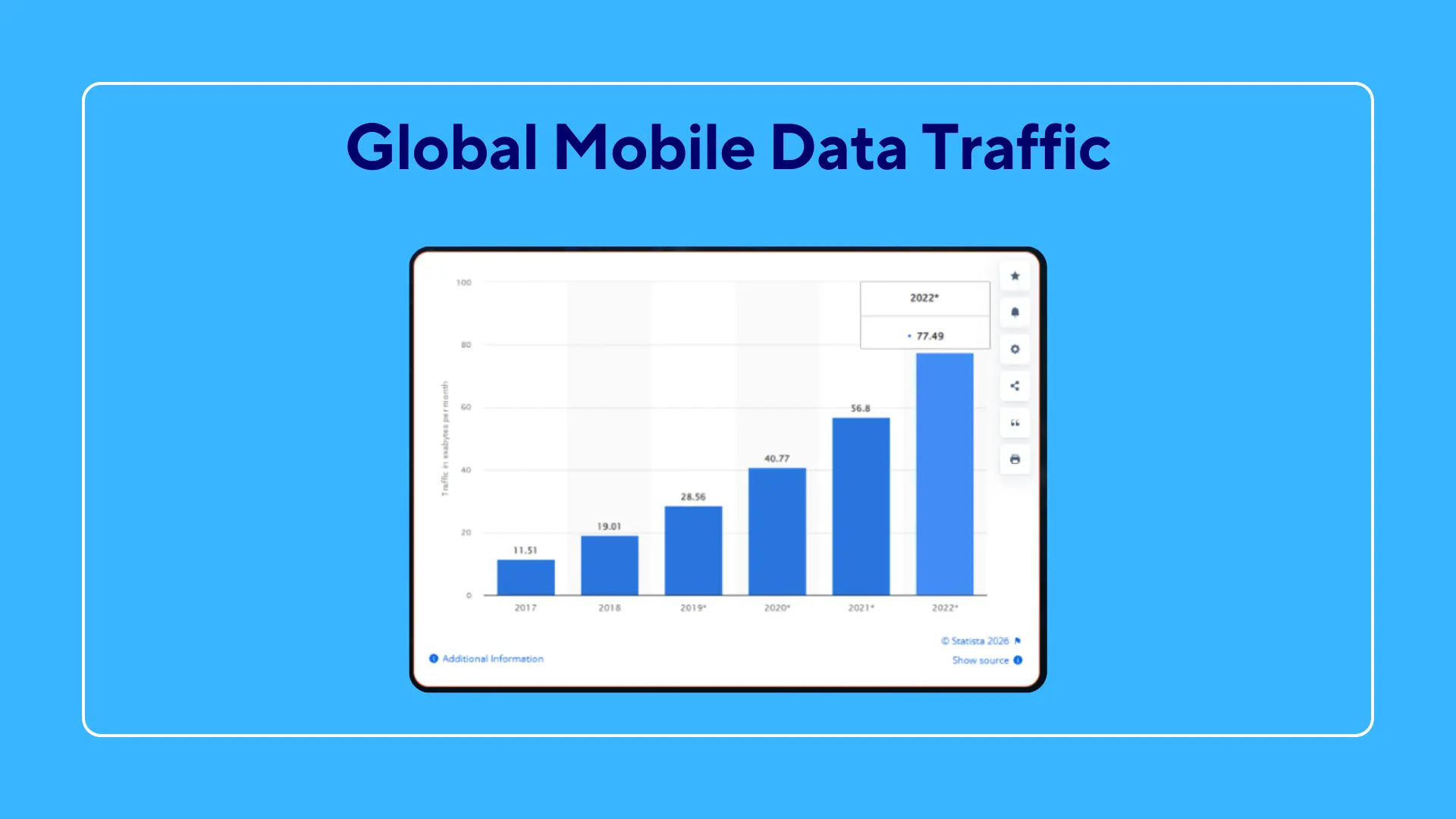
According to Forbes, companies that prioritize customer experience generate 4–8% higher revenue than their competitors. Meanwhile, Statista reports that over 57% of users uninstall an app within 30 days if they encounter friction or confusion.
That friction often comes down to one issue:
Poor in-app customer support.
For startups working with a mobile app development company in San Francisco, support shouldn’t be treated as an add-on — it must be built into the product architecture from day one.
How Hidden Support Channels Quietly Kill App Growth (and What to Do Instead)
One of the biggest mistakes apps make is hiding their support.
When users have to:
Dig through settings menus
Scroll through legal pages
Leave the app to send an email
Frustration builds instantly.
Users don’t hate problems — they hate not knowing where to get help.
The Solution: Make Support Visible and Contextual
Instead of burying support behind secondary screens, embed it exactly where users hit friction:
On login pages
During payment flows
Inside onboarding tutorials
At feature confusion points
Best practices include:
A visible Help or Support button accessible from every screen
Contextual tooltips and message banners
Searchable in-app FAQs before escalating to live chat
Proactive prompts when common errors occur
When support is embedded where users already are, it reduces friction, improves retention, and builds trust.
Mistake #1: Treating In-App Support as an “Extra” Feature
Many apps still rely on email-only support or redirect users to external help pages.
In 2026, that’s a churn accelerator.
Users expect help:
Inside the app
In real time
Without losing context
Why This Hurts
Context is lost when users leave the app
Tasks get interrupted
Response times feel longer
Users disengage
Modern frameworks allow live chat, contextual FAQs, and AI-driven prompts to be embedded natively. When in-app customer support is designed into the system, retention improves significantly.
At PWH Services, we ensure support workflows are integrated into the product experience — not layered on afterward.
Mistake #2: No In-App Guidance for First-Time Users
San Francisco users don’t want to “figure it out.” They expect intuitive flows.
Without in-app guidance for customer support, even powerful apps feel overwhelming.
Signs This Is Happening
Drop-offs during onboarding
Repeated support tickets for basic features
High bounce rates after first login
According to Grand View Research, the customer experience management market is growing at a 15.5% CAGR — largely driven by in-app guidance and automation.
Smart apps use:
Interactive walkthroughs
Contextual tooltips
Embedded micro-videos
Smart onboarding flows
This reduces support load while increasing user confidence and engagement.
Mistake #3: Ignoring Platform-Specific Support Needs (Shopify & Line App)
Not all users behave the same — and neither should your support strategy.
Customer Support for Shopify App Owners
Shopify merchants are business owners. Their expectations are different:
Fast resolution times
Clear technical documentation
Revenue-impact explanations
Integration transparency
Failing to tailor customer support for Shopify app users often results in poor app store ratings and subscription churn.
Line App Customer Support Expectations
Line users, especially in Asian markets, expect:
Chat-first communication
Lightweight experiences
Highly contextual help
A generic support flow won’t work across ecosystems.
At PWH Services, we design support systems that adapt to platform behavior, API integrations, and user expectations — ensuring each audience gets the experience they expect.
Mistake #4: Slow Response Times in a Real-Time City
In San Francisco, speed isn’t optional — it’s expected.
Users anticipate responses within hours, not days. Delays erode trust quickly.
How Smart Apps Fix This
AI-powered chatbots for instant first responses
Auto-routing tickets internally
Embedded knowledge bases
Escalation triggers for high-value users
Blending AI with human agents ensures scale without sacrificing personalization.
Fast responses reduce churn.
Smart responses increase loyalty.
Mistake #5: Not Using Support Data to Improve the App
Support conversations are goldmines of insight.
Yet many teams fail to analyze:
Repeated complaints
Feature confusion points
Drop-off triggers
Common onboarding blockers
According to Forbes, data-driven companies are 23x more likely to acquire customers.
Support insights should directly influence:
MVP improvements
Feature prioritization
UX refinements
Custom software development decisions
At PWH Services, we help businesses create feedback loops where customer support informs product strategy — not just solves tickets.
How the Best San Francisco Apps Get In-App Support Right
Top-performing apps in San Francisco design support as part of the user journey — not as a fallback option.
Here’s what they do differently:
1. Integrate Onboarding with In-App Guidance
Instead of separate tutorials, they guide users step by step and show exactly how to access help. This builds confidence from day one.
2. Localize Support for Shopify, Line, and SaaS Users
They tailor customer support for Shopify app merchants and Line users differently — improving satisfaction and retention.
3. Blend AI with Human Expertise
AI resolves common queries instantly. Human agents handle complex, high-value issues.
4. Connect Support Insights to Product Roadmaps
Recurring support issues directly shape feature improvements.
5. Design Architecture with Support in Mind
Whether building native apps or progressive web apps, support remains contextual and accessible throughout the experience.
By treating support as part of the product, these apps transform customer service into a competitive advantage.
Final Verdict
In San Francisco’s fast-moving app ecosystem, customer support is no longer a background function — it’s a growth strategy.
Apps that win in 2026 will:
Embed in-app customer support from day one
Guide users before confusion sets in
Respond instantly when issues arise
Turn support data into smarter product decisions
Whether you’re building for Shopify merchants, Line users, or SaaS customers, success comes from meeting users where they are — inside the app, in the moment.
At PWH Services, we help startups and growing businesses design intelligent, scalable, and user-focused app experiences where support drives retention — not churn.
If you’re building your next app in San Francisco, make customer support your competitive edge.